Feefo Platinum Trusted Service Award 2026


Rugby is becoming a smarter sport
Rugby’s essential contest remains physical and simple: carry, pass, kick, tackle and compete. Around that core, however, technology is changing how matches are officiated, how players are monitored, how teams prepare and how supporters understand the action. The challenge is to introduce useful innovation without interrupting the flow and character of the game.
The latest developments show rugby moving beyond isolated gadgets. Remote review systems, connected protective equipment, performance analysis, artificial intelligence and better broadcast tools are beginning to work together. For supporters, that can mean clearer decisions and richer insight. For players and coaches, it can mean better information about performance and welfare.
Remote TMO hubs
In 2026, World Rugby debuted a fully remote Television Match Official hub for the World Rugby Nations Cup and Junior World Championship. Instead of every TMO working on location, selected officials operated from a central hub at Hawk-Eye’s headquarters in Basingstoke.
The system gives TMOs access to camera angles independently of the broadcast director, with split-screen and zoom functions supporting reviews around scoring, touch and foul play. World Rugby said the trial was designed to improve speed, consistency and accuracy while reducing costs. It also introduced minimum technology standards that international competitions will need to meet to access TMO services by August 2027.
The significance is consistency. If officials work with a more standardised set-up, competitions can reduce variation between venues and give decision-makers the same core tools.
Smart mouthguards and player welfare
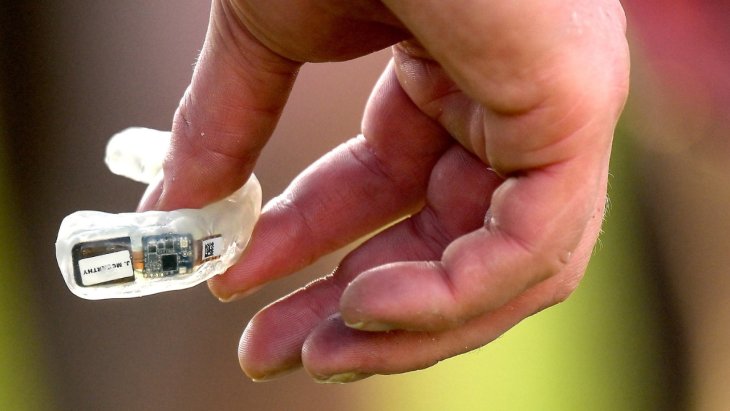
Instrumented mouthguards can measure head movement during impacts and send data for assessment. They are not a stand-alone diagnosis, but they add an objective signal to existing medical processes. In elite rugby, that information can help identify incidents that require further attention and contribute to research into the forces players experience.
GPS and wearable performance data
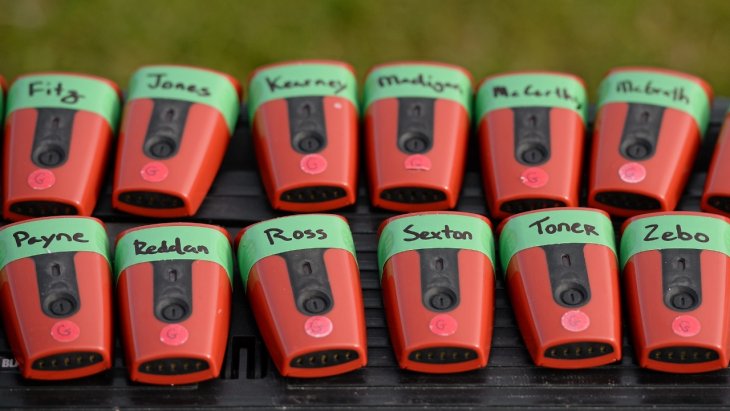
GPS units and other wearable sensors have become established tools in high-performance rugby. They can record information such as distance, speed and movement load, allowing staff to compare training demands with match demands. Coaches can then make better-informed decisions about conditioning, recovery and the structure of a training week.
More data does not automatically produce better rugby. The key is interpretation. World Rugby’s performance-analysis learning materials emphasise the need to translate technology and datasets into meaningful information for coaches and players. The best analysts filter out noise and connect a number to a rugby question: did the team maintain its defensive spacing, arrive at breakdowns effectively or sustain intensity late in the match?
Ball tracking and advanced analysis
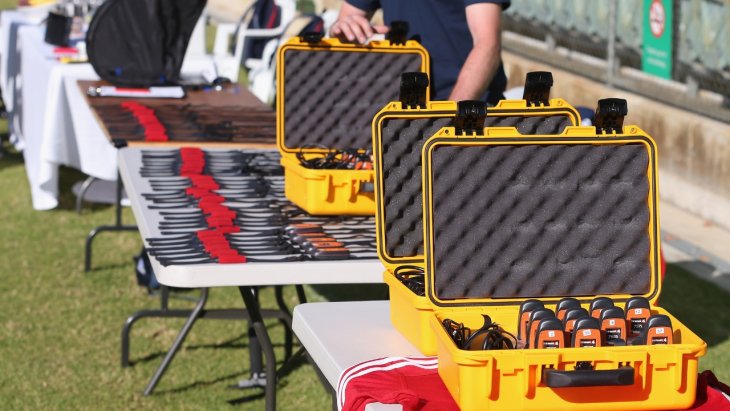
New camera systems can track the ball and add coded events to match footage. Instrumented balls are also part of the wider performance-analysis landscape identified by World Rugby. These technologies can reduce the time spent manually reviewing video and help analysts examine larger datasets.
For a coach, faster tagging means quicker access to clips and patterns. For a broadcaster, tracking can support graphics that explain territory, kicking and momentum. Capgemini’s work with World Rugby has included digital statistics tools and an AI-driven Momentum Tracker designed to measure team performance across tournaments. The most useful fan-facing technology turns complexity into a clearer story rather than presenting numbers for their own sake.
Artificial intelligence and automation
Artificial intelligence is beginning to assist with tasks that once required extensive manual coding. Automated workflows can help analysts process more footage, create reports and ask new questions of existing information. The Rugby Football Union’s 2026 digital transformation partnership with Capgemini also identified data and AI as tools for improving digital services and generating ideas from grassroots to the elite game.
There are clear limits. Models depend on data quality, and a useful prediction is not the same as certainty. Rugby remains an open, chaotic sport shaped by weather, fatigue, pressure and human decisions. AI is most valuable when it helps experts see patterns, not when it pretends to remove uncertainty.
A more connected experience for supporters
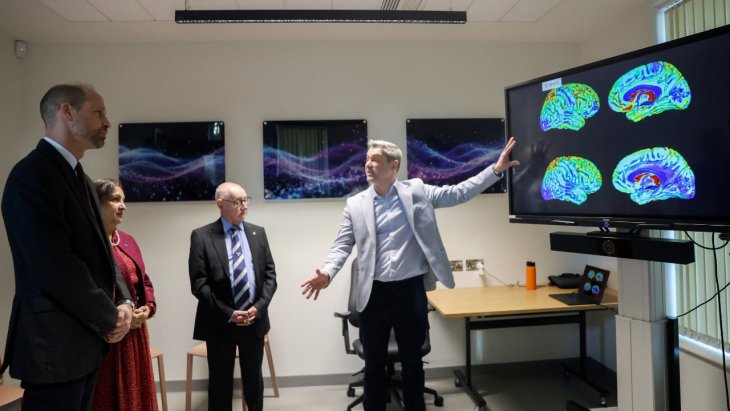
Technology is also changing how fans follow rugby. Live statistics, digital match centres, interactive prediction games and personalised content can make complicated tactical battles easier to understand. Experimental systems such as markerless motion capture point towards future three-dimensional viewing, while augmented and virtual reality may eventually offer new ways to experience matches remotely.
Those concepts are developing, but live rugby still offers the fullest picture. Inside a stadium, supporters can see the shape of a defensive line, hear communication and feel momentum change before a data graphic confirms it.
Innovation should serve the contest
The best rugby technology is almost invisible. It assists a decision, highlights a welfare concern or reveals a tactical pattern without becoming the main event. Remote TMO systems must be efficient. Wearables must be interpreted responsibly. Fan data must clarify rather than overwhelm.
At Gullivers Sports Travel, we believe greater understanding makes live sport even more compelling. When you recognise the tactical and technological detail behind a match, every kick, review and substitution carries more meaning. Explore our rugby travel packages and experience the sport’s next era from the stands, where innovation and tradition meet in real time.
NEWSLETTER
Get the latest information about our travel packages to the world’s top sporting events.

Upcoming events
Why Gullivers?

Over 50 years in the game

Guaranteed tickets

A personal and friendly touch
