Feefo Platinum Trusted Service Award 2026


Women’s rugby is not waiting for a distant future. A new generation is influencing major matches and hitting stats we have never seen before in large format tournaments such as the WXV & Guinness Women’s Six Nations.
Pauline Barrat: a French talent
France’s Pauline Barrat was shortlisted for the 2026 World Rugby Women’s 15s Breakthrough Player of the Year award. She was also listed among the players eligible for the Guinness Women’s Six Nations BKT Rising Player Award, which is restricted to players earning their first senior championship cap in 2026.
That combination places Barrat among a small group whose transition into senior international rugby has drawn recognition beyond one competition. France have long combined athletic forwards with ambitious attacking rugby, and the emergence of new talent increases competition within a programme already expected to challenge the leading nations.

Elinor-Plum King: New Zealand’s next wave
New Zealand’s Elinor-Plum King also made the World Rugby breakthrough shortlist. Any emerging Black Fern enters an environment shaped by high expectations, a strong rugby identity and intense competition for selection. Recognition at global-award level indicates that King’s 2026 performances made an impression during an important stage of her international development.
New Zealand’s challenge is not simply to identify talent but to connect it with enough high-quality Test rugby. Rising players must learn how to influence matches against different styles: the physical pressure of leading forward packs, the speed of transition and the tactical control required in tight contests.
Amelia Whitaker and Australia’s opportunity
Australia’s Amelia Whitaker was another nominee for World Rugby Women’s 15s Breakthrough Player of the Year. Her selection reflects the wider opportunity around Australian women’s rugby as the country develops towards major home events. For an emerging player, that environment can bring both visibility and pressure.
Australia’s best rugby has traditionally valued movement, skill and attacking ambition. Young players who can deliver those qualities while meeting the defensive and physical demands of Test rugby have the chance to become central figures in the Wallaroos’ development.
Bella Vogel: a name from the USA pathway
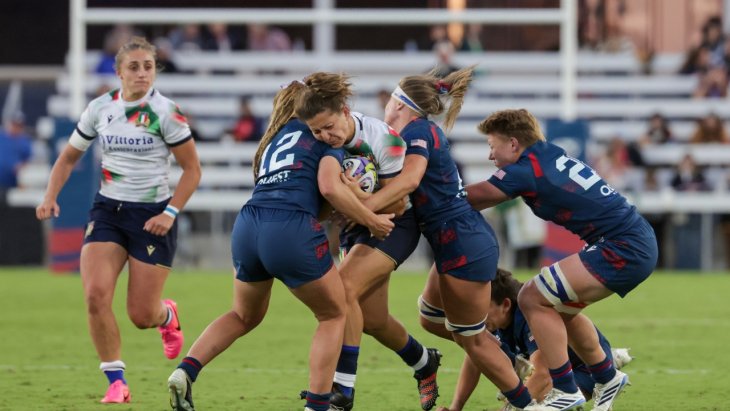
USA player Bella Vogel completed World Rugby’s four-player breakthrough shortlist. Her recognition gives the United States a notable emerging talent at a time when women’s rugby is building towards the LA 2028 Olympic Games and the 2033 Women’s Rugby World Cup in the USA.
The American pathway is developing across sevens and 15s, college rugby and the growing domestic elite game. A player breaking into international recognition can help connect those levels, giving newer supporters a name to follow and younger players a visible route towards the Test stage.
Demelza Short: youth and physical presence for England
England named Demelza Short, then uncapped, in their 38-player squad for the 2026 Women’s Six Nations. Six Nations coverage later highlighted the 19-year-old lock after her involvement against Scotland, pointing to her athleticism and set-piece contribution.
For the Red Roses, a young forward has to enter one of the deepest squads in the sport. That is a demanding route, but it is also an excellent learning environment. England’s pathway continues to supply players who are accustomed to structured competition before reaching the senior side. The RFU reported more than 26,000 registered age-grade girls in the 2025-26 season and six uncapped pathway players in the 2026 Six Nations squad.
Robyn O’Connor and Jenna De Vera: fresh international energy
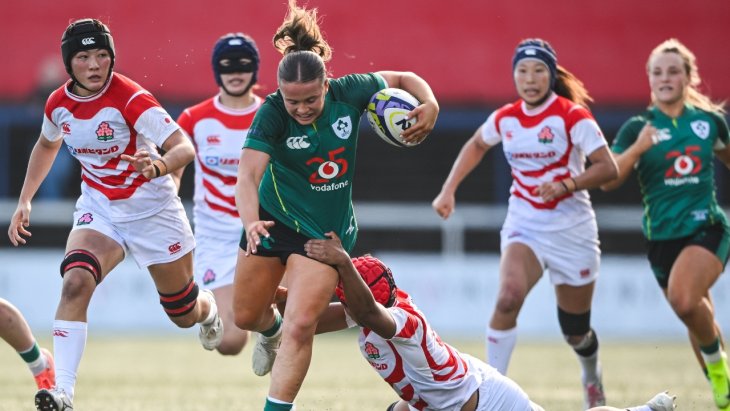
Ireland wing Robyn O’Connor and Wales centre Jenna De Vera were both featured among the BKT Rising Player candidates during the 2026 Women’s Six Nations. O’Connor was highlighted after scoring on her Ireland debut, while De Vera drew attention for her defensive impact in her first international appearance.
Their positions illustrate the different ways a new player can influence a match. A wing may be judged by finishing and metres gained, while a centre must handle defensive reads, collisions and decision-making in crowded midfield spaces. Early international moments do not define a career, but they can show that a player is comfortable stepping into a faster, more pressurised level.
Why pathways matter as much as headlines
Breakthrough performances are the visible end of years of work. Schools, clubs, academies, development groups and domestic competitions create the repetition needed before a player reaches Test rugby. The RFU’s girls’ Player Development Group festival, for example, brought together players from nine development sites to gain competitive experience and support identification.
The strongest future for women’s rugby will come from depth rather than dependence on a few famous names. More players competing for selection raises standards, provides tactical options and helps national teams manage the demands of a growing calendar.

See the next chapter live
The attraction of following rising stars is that supporters can watch a career develop in real time. Today’s debutant can become tomorrow’s tactical leader, captain or match-winner. Women’s rugby now offers more opportunities to see that journey, from domestic competition and the Guinness Women’s Six Nations to WXV and global tournaments.
Gullivers Sports Travel helps supporters get closer to major rugby occasions with carefully planned packages and decades of event-travel experience. Explore our rugby travel packages and be there when the next generation turns potential into a performance that everyone remembers.
NEWSLETTER
Get the latest information about our travel packages to the world’s top sporting events.

Upcoming events
Why Gullivers?

Over 50 years in the game

Guaranteed tickets

A personal and friendly touch
